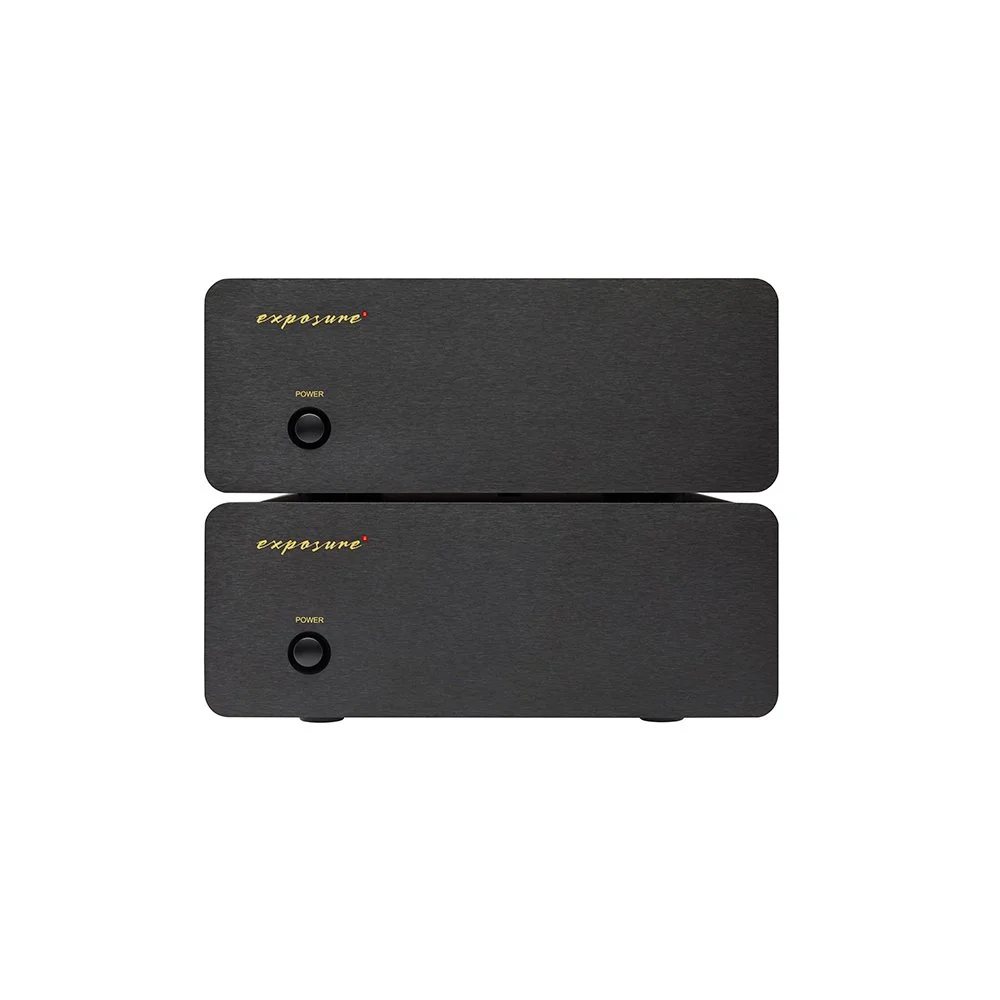
 Image 1 of 3
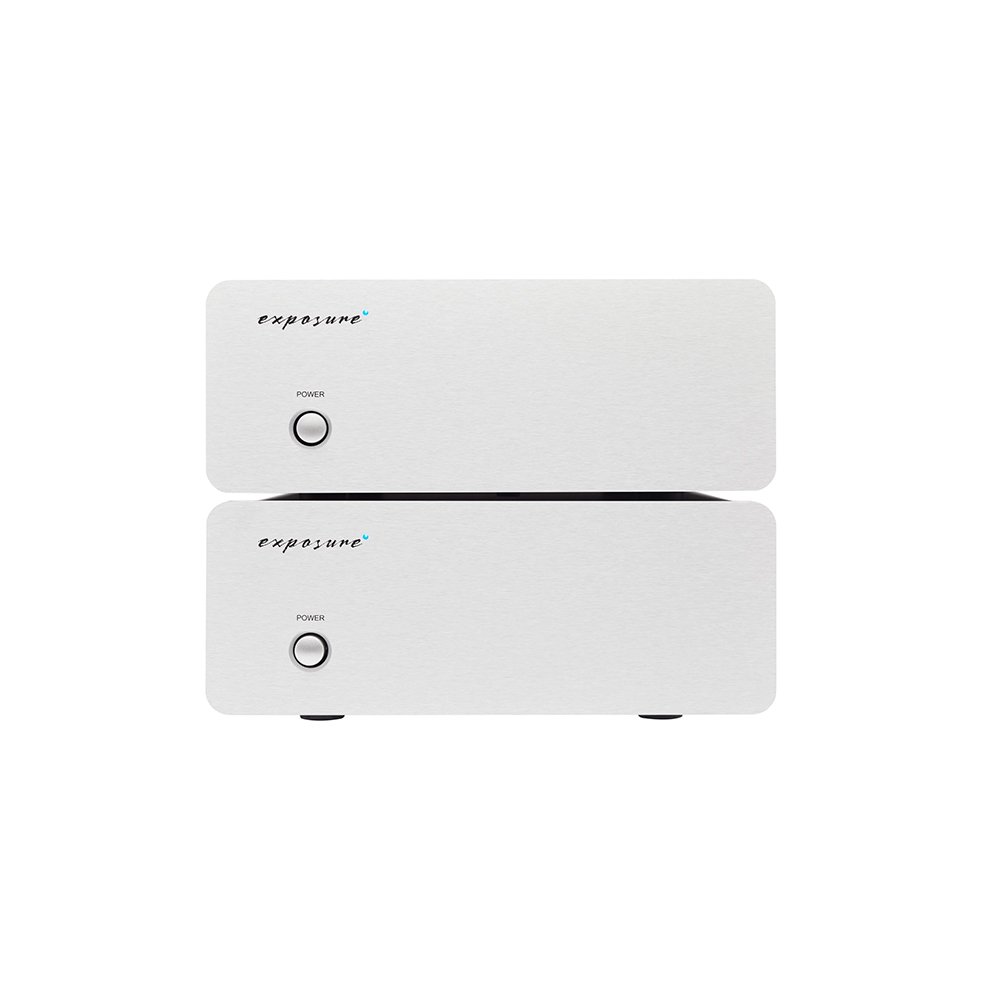 Image 2 of 3
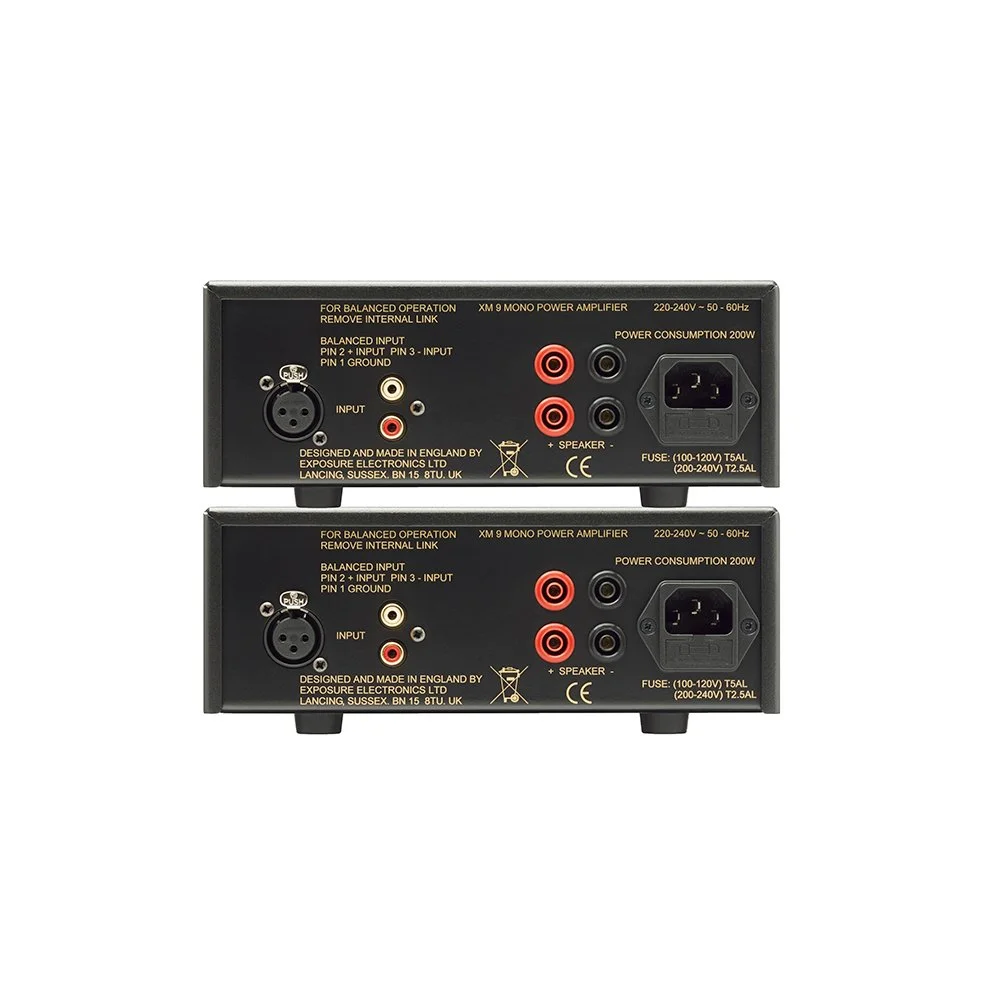 Image 3 of 3

-
Power output: 80W into 8 ohms @ 1kHz (rated power)
Total harmonic distortion: <0.005%
Frequency response: 20Hz – 20kHz (±0.5dB)
Gain: x16 (24dB)
Signal-to-noise ratio (unbalanced): >95dB (ref 1kHz, rated output)
Input sensitivity (unbalanced): 1.6V RMS
Input impedance (unbalanced): >77k ohms
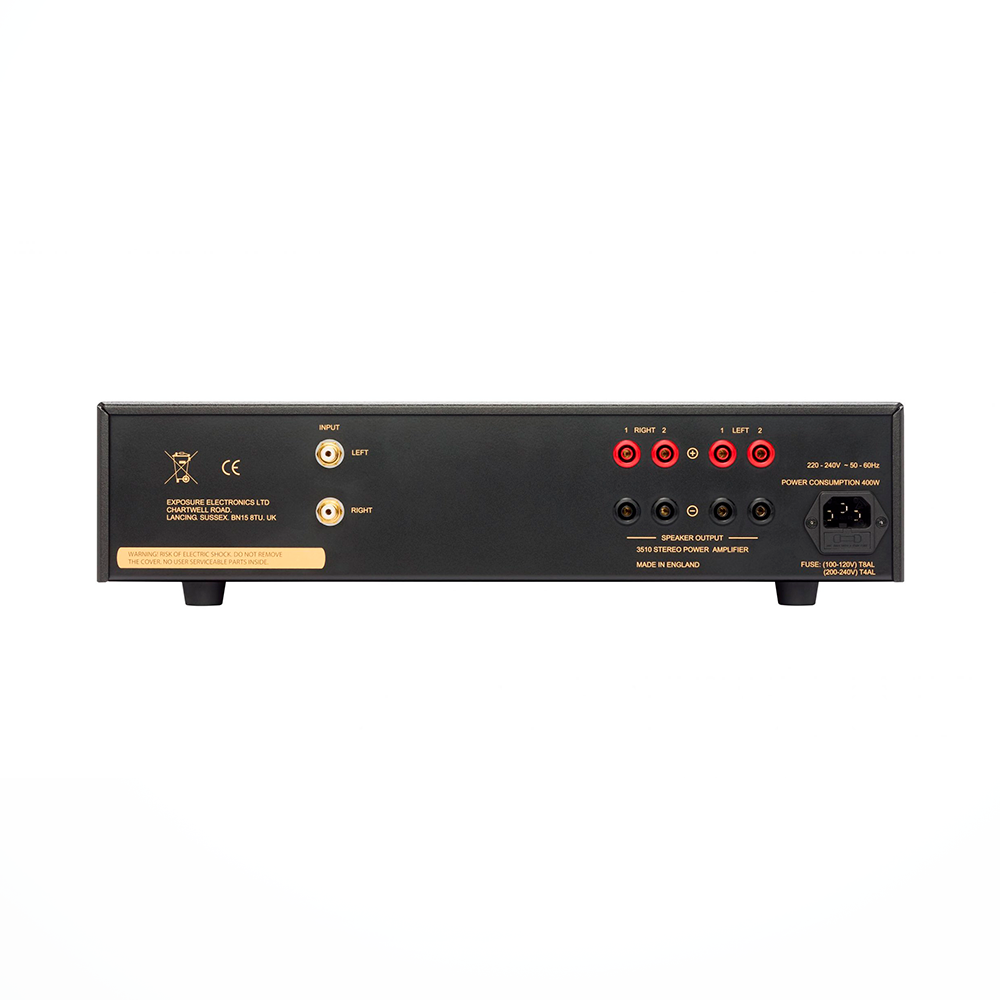
Mains supply: 110/120V or 220/240V, 50/60Hz (factory set)
Fuse: T5AL (110/120V), T2.5AL (220/240V)
Power consumption: 200W
Dimensions (H × W × D): 89 × 218 × 348mm
Net weight: 5kg
Gross weight: 6kg
-
Free Delivery within Mainland UK.
30-Day Money-back Guarantee
Returns Policy
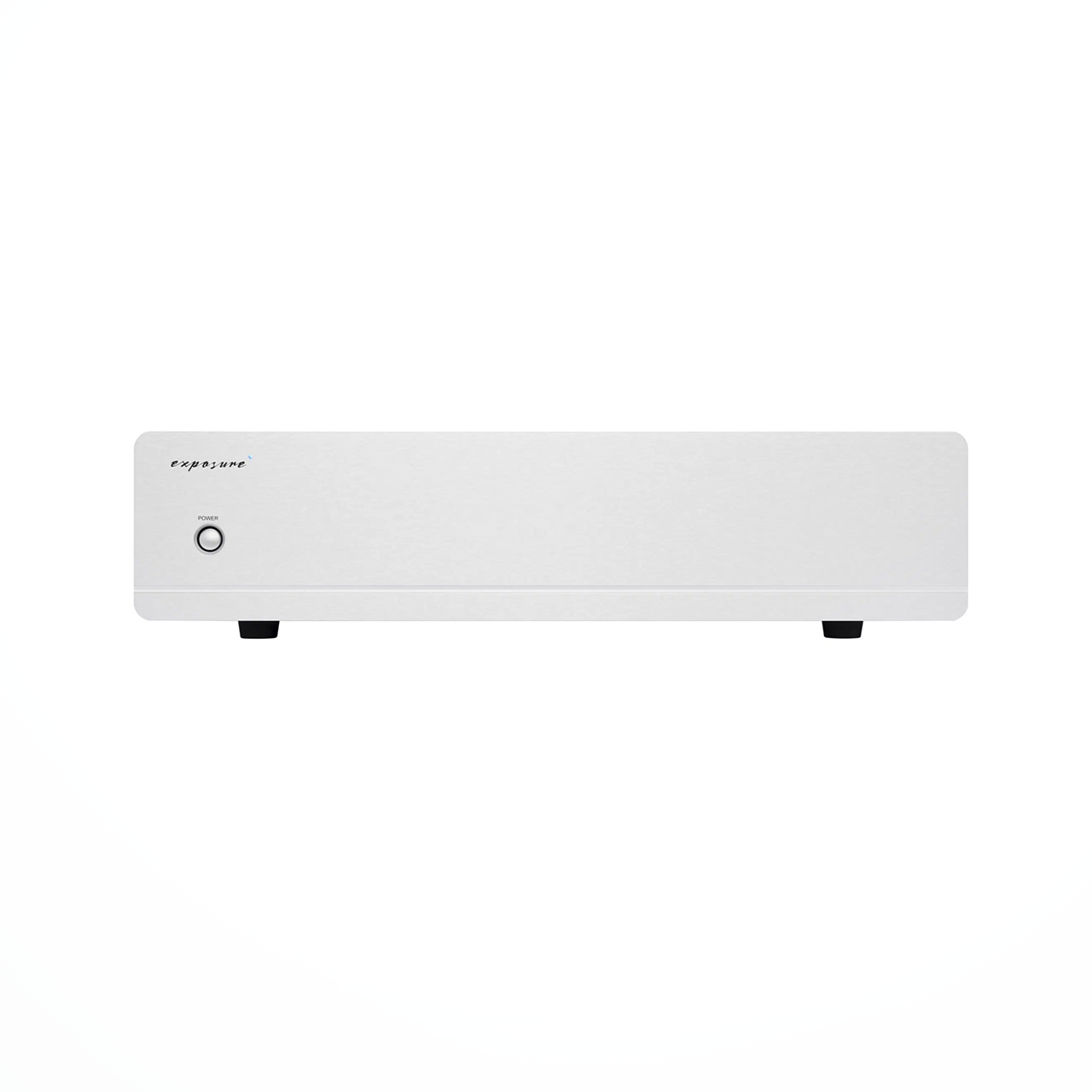
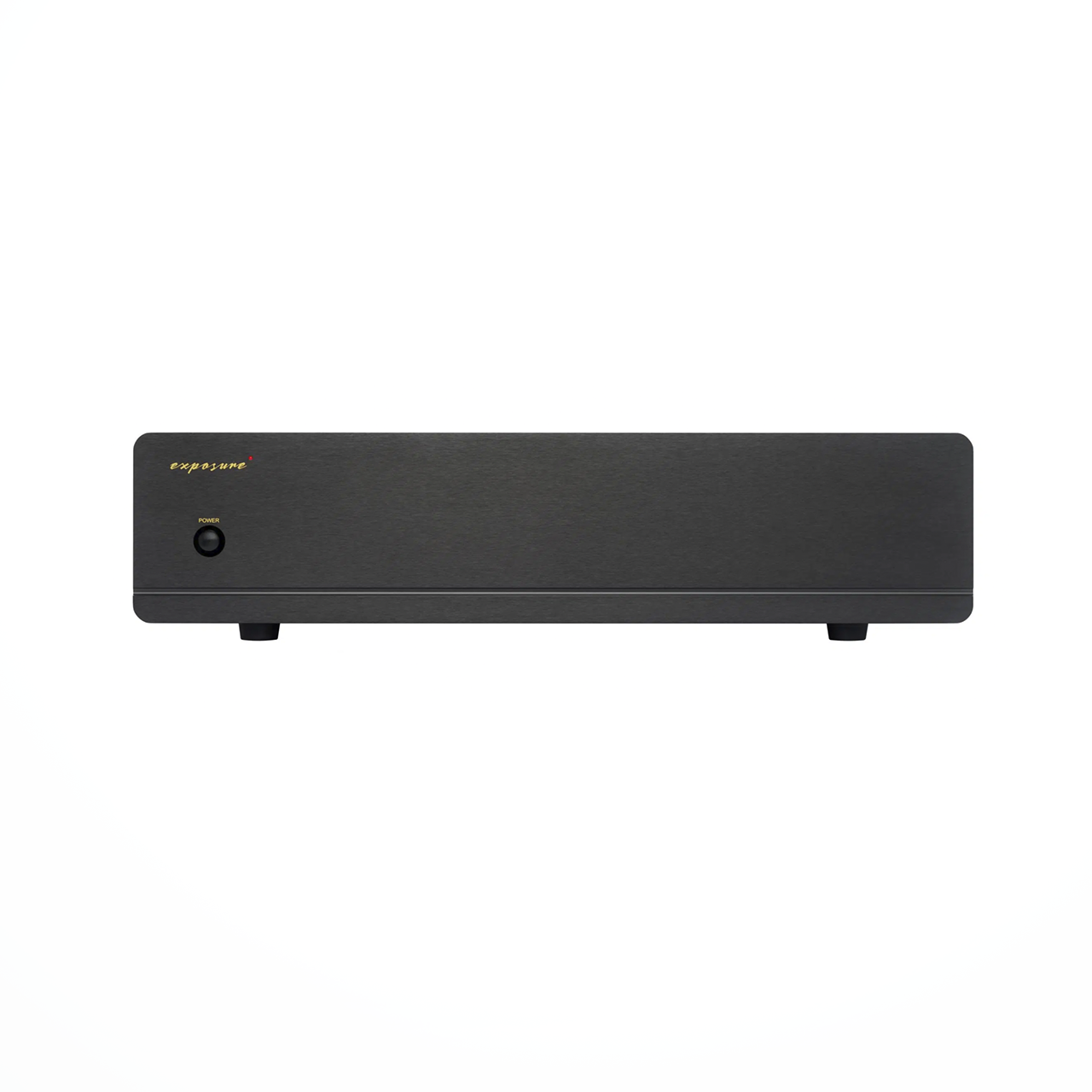
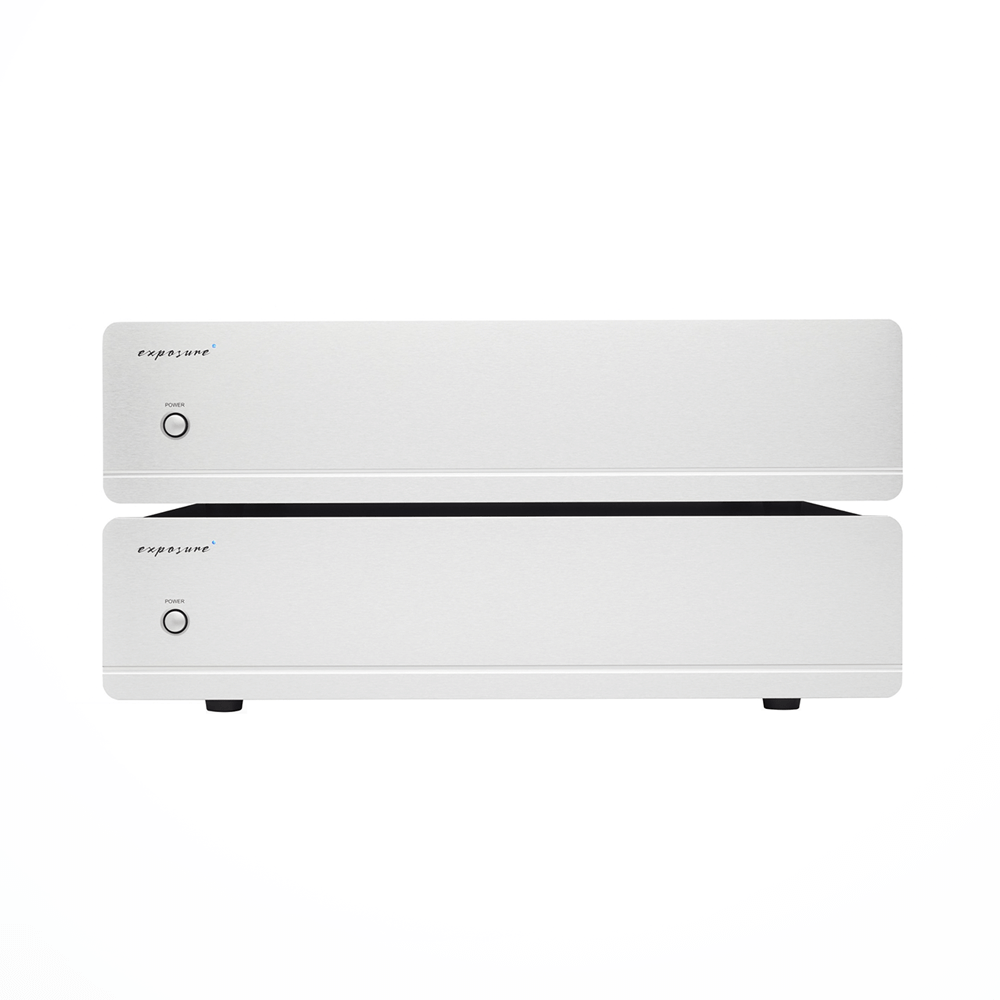
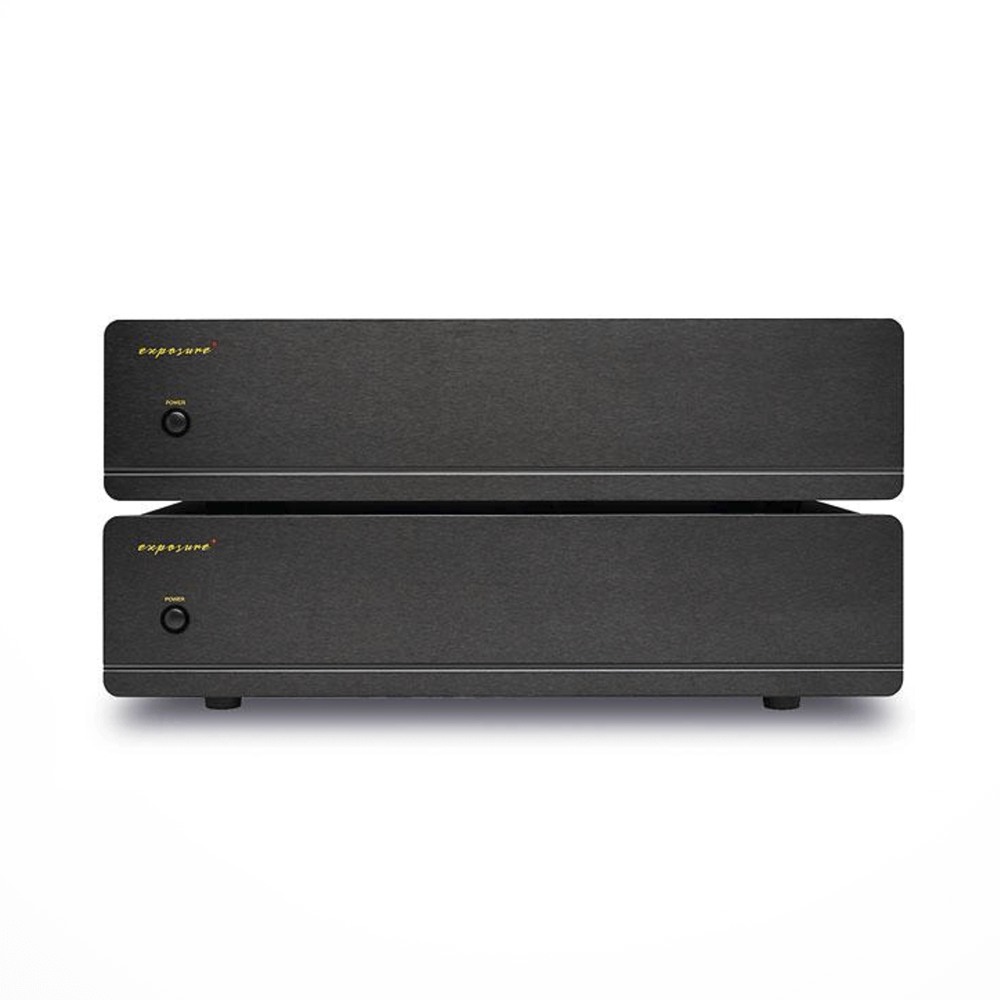
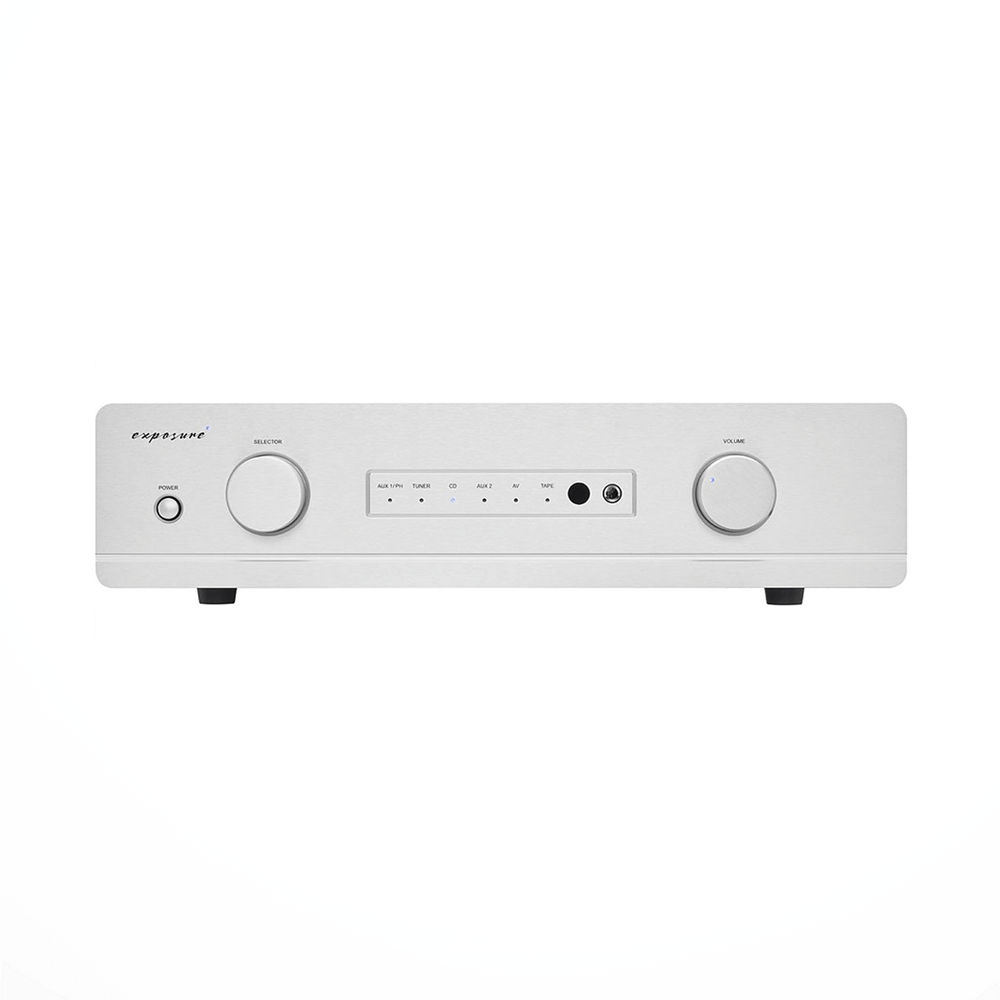
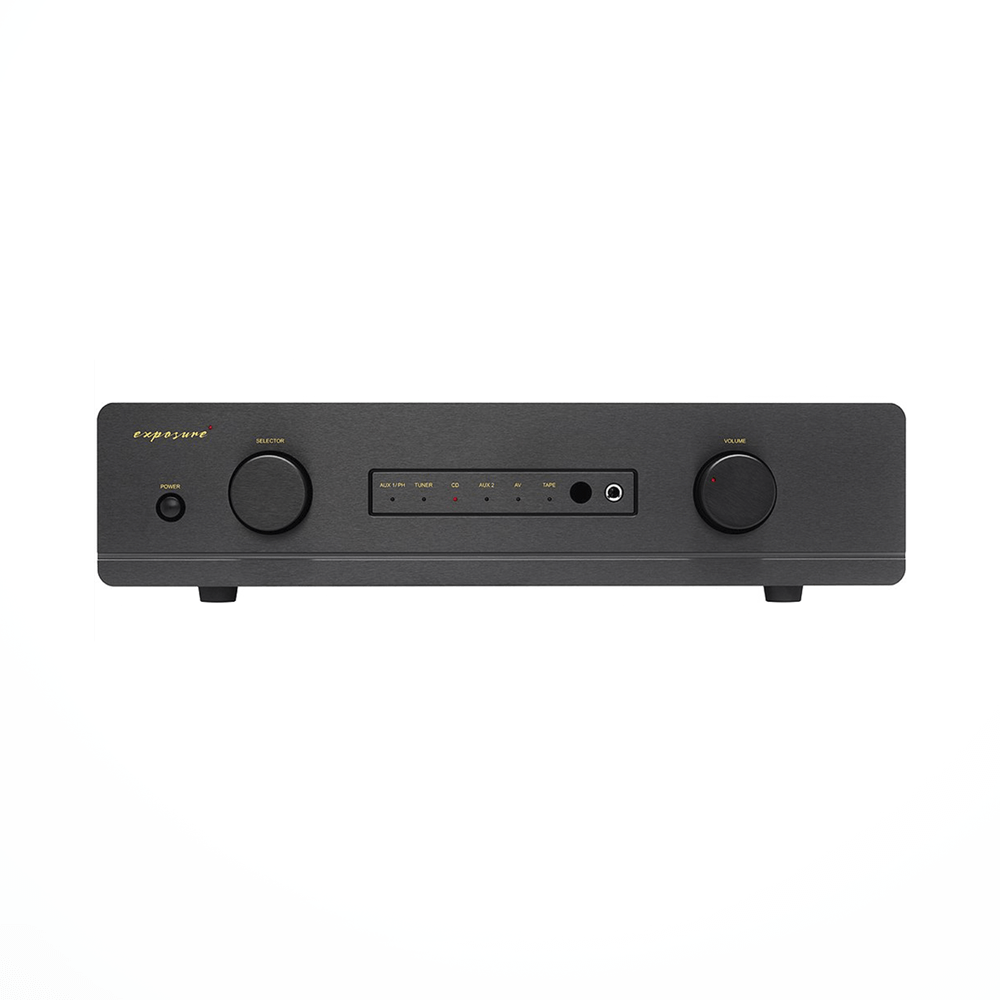
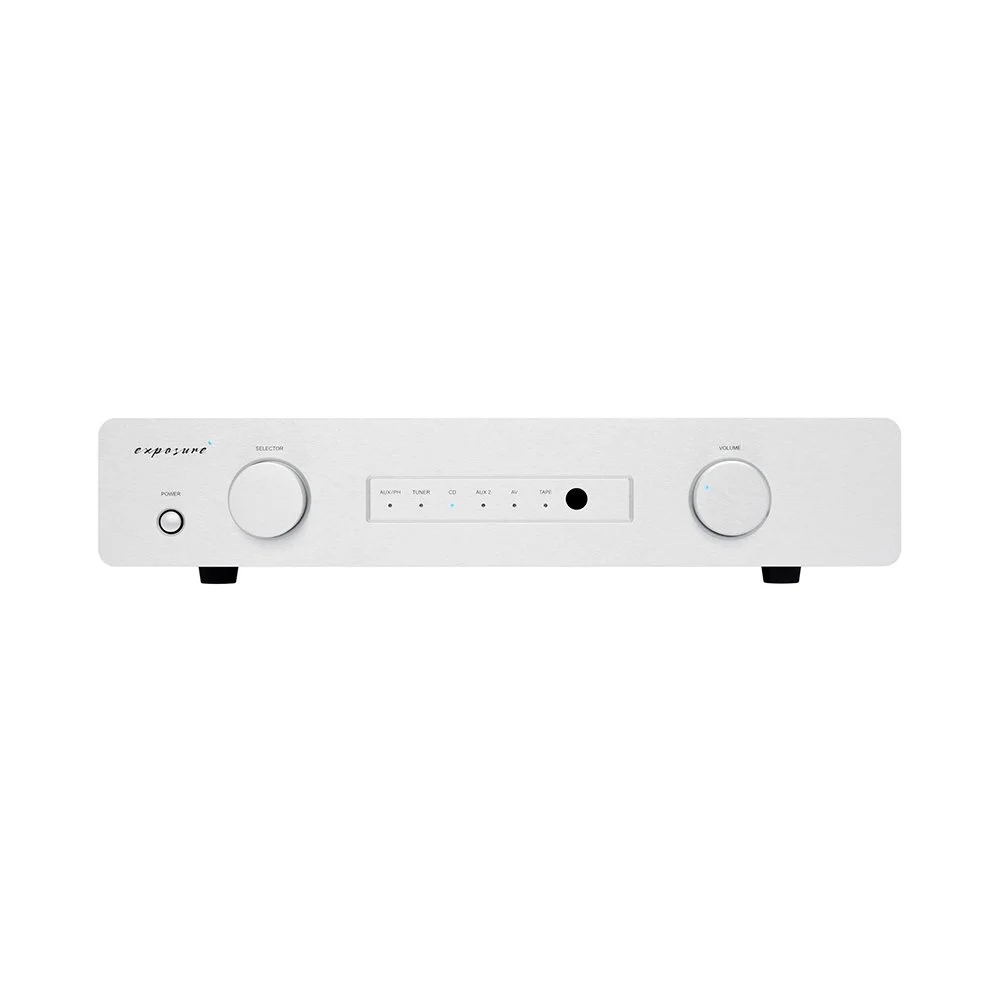
Exposure XM9 Mono Amplifier
Main features
Compact mono-block design for improved channel separation
Large 200W custom-made toroidal power transformer
Cascode circuitry for enhanced power supply immunity
Toshiba bipolar output transistors for speed, dynamics and control
DC-coupled signal path throughout
Electronic, non-invasive current overload protection
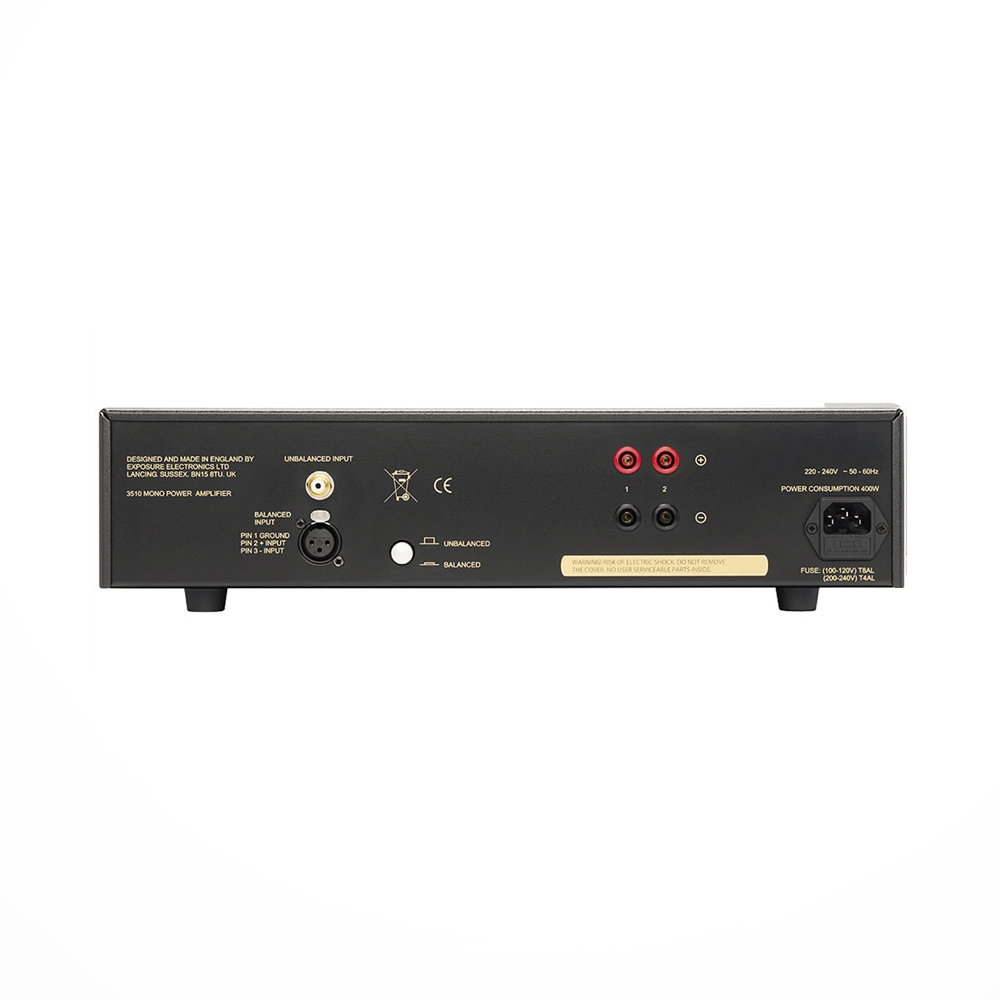
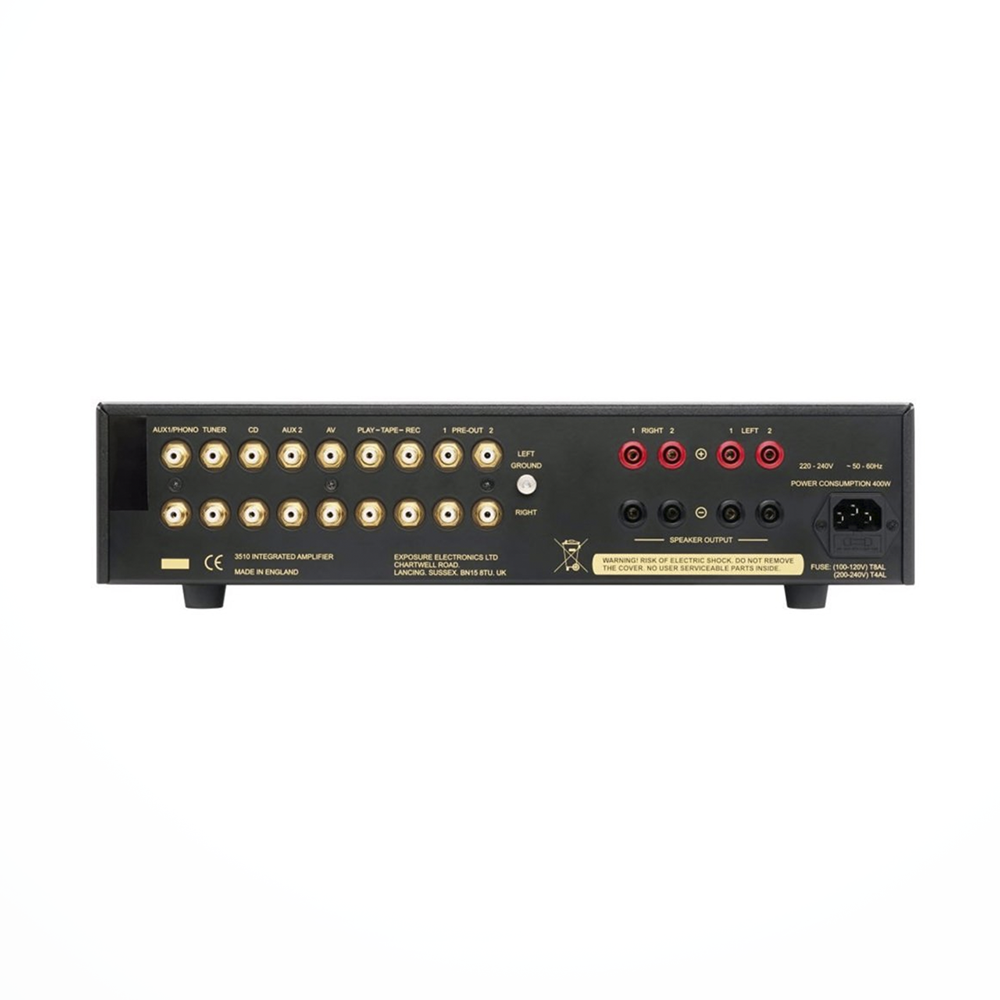
Balanced and unbalanced inputs (selectable via internal link)
High-quality bi-wire speaker outputs with shrouded terminals
Rigid all-aluminium casework with extruded front panel
Three-year guarantee
Available in black or titanium
XM Series
Small in size, but big on musicality
Available in black or titanium finish, the XM Series of components may be small in size but they’re big on features and performance. With unmatched levels of sound quality and clarity, the XM Series conveys the art of music replay with outstanding realism.
About Exposure
Artistry in audio since 1974
Exposure has been perfecting the art of creating real Hi-Fi for real music lovers since 1974. In that time a lot has changed in the audio market. One thing has stayed consistent though, and that’s our absolute commitment to never compromise on quality, whilst designing and building the best sounding and affordable Hi-Fi that we can.
All of our products are designed, engineered and proudly manufactured in Britain by a talented team of audio engineers who are passionate about the reproduction of music. Our goal is quite simple; ‘To deliver music as accurately as possible’.
Sounds simple enough, but it takes years of skilled engineering, science and some great ears to achieve. This is our goal and one that we will continue to pursue.